100% polyesterový žakárový vzor Barevná tkanina Sarong z jihovýchodní Asie – odolná, zářivá a snadno se udržuje, navržená tak, aby vašim produktům ...
See Details


Národní tradiční průvodce tkaninou Sarong v jihovýchodní Asii
Novinky z oboru-" národní tradiční sarong tkanina ” v jihovýchodní Asii je nejlépe chápán jako rodina obalových textilií -nejčastěji látky sarongové délky vyrobené v typických technikách, jako je batikaa , ikat a songket , each tied to specific countries, ceremonies, and weaving communities. Indonesian batik, fnebo example, is formally recognized by UNESCO as intangible cultural heritage (inscribed in 2009). :contentReference[oaicite:0]{index=0}
To, co se v jihovýchodní Asii považuje za „látku sarong“.
In Southeast Asia, “sarong” can mean either a tubular garment or a rectangular cloth wrapped and secured at the waist. The fabric is often decorated using batik or ikat methods, or woven as brocade-like luxury cloth (songket). :contentReference[oaicite:1]{index=1}
Praktické velikosti, které skutečně uvidíte v obchodech
Velikosti se liší podle země a stylu oděvu, ale tyto skutečné reference vám pomohou správně nakupovat:
- Myanmar longyi: asi 2 m dlouhé a 80 cm široké , commonly sewn into a cylinder. :contentReference[oaicite:2]{index=2}
- Kambodžský sampot chang kben (obalený závěs podobný kalhotám): uváděný jako obdélníková látka asi 3 m dlouhé a 1 m široké . :contentReference[oaicite:3]{index=3}
- Jižní Filipíny malong: popsané jako asi 4 yardy dlouhé a ~ 50 palců vysoké (often tubular). :contentReference[oaicite:4]{index=4}
Tři základní kameny „národních tradičních sarongových tkanin“
Pokud chcete vysoce sebevědomý, kulturně založený zápas s „jihovýchodní Asií, národní tradiční sarong tkaninou“, toto jsou tři techniky, se kterými se nejčastěji setkáte v různých zemích a kontextech formálního oblečení.
| Tkanina / technika | jak se vyrábí | Vizuální vodítko | Nejlepší případ použití |
|---|---|---|---|
| Batika | Barvení na látky odolné proti vosku; hluboká motivová symbolika | Ostré okraje motivu; opakování symbolických vzorů | Denní nošení na ceremonie; ikonický v Indonésii |
| Ikat | Odolávání barvení na přízi před tkaním | Okraje měkkého „rozmazaného“ nebo prolnutého vzoru | Odolné zavinovací látky; dědictví tkaní v celém regionu |
| Songket | Ručně tkané s doplňkovým útkem pomocí kovových nití | Třpytivé zlaté/stříbrné motivy (brokátový efekt) | Svatby, státní příležitosti, formální oděv (malajský svět) |
Indonesian batik is internationally recognized by UNESCO for its techniques, symbolism, and cultural role (inscribed in 2009). :contentReference[oaicite:5]{index=5} Ikat is widely described as a Southeast Asian-origin resist-dye method applied to yarns prior to weaving, producing its characteristic softened pattern boundaries. :contentReference[oaicite:6]{index=6} Songket is consistently defined as a handwoven textile with gold or silver threads, historically spread across the Malay world (including Indonesia, Malaysia, Brunei). :contentReference[oaicite:7]{index=7}
Jak rozpoznat autentickou látku sarong vs. turistické tisky
Nemusíte být odborník na textil – použijte několik kontrol vysokého signálu, které přímo mapují, jak jsou tyto látky vyrobeny.
Batika: hledejte procesní „otisky prstů“, nejen motivy
- If a piece is marketed as heritage batik but the pattern looks perfectly uniform on both sides with no dye-depth variation, it may be a surface print rather than a resist-dyed cloth (batik is defined by technique and cultural practice, not just visual style). :contentReference[oaicite:8]{index=8}
- Ask for the technique: sellers who can describe wax-resist steps and motif meaning usually deal in higher-integrity work, consistent with UNESCO’s framing of batik as technique symbolism culture. :contentReference[oaicite:9]{index=9}
Ikat: „rozostření“ je vlastnost, nikoli vada
Ikat’s hallmark is that yarns are resist-dyed before weaving, so the pattern alignment naturally creates slightly feathered edges; a perfectly sharp, pixel-like ikat motif can indicate digital printing. :contentReference[oaicite:10]{index=10}
Songket: potvrďte tkaní kovové nitě, nikoli metalický inkoust
Songket is described as a handwoven fabric where metallic threads are inserted as supplementary weft, producing a true raised shimmer. If the shine disappears when you tilt it and the surface feels flat like ink, treat “songket” as a marketing label rather than a weaving structure. :contentReference[oaicite:11]{index=11}
Příklady specifické pro jednotlivé země, které mapují „národní tradiční“ použití
Jihovýchodní Asie je různorodá, ale některé páry jsou obzvláště stabilní, pokud chcete příklady „národních tradičních sarongových tkanin“ pro cestování, dárky nebo kulturní oblečení.
- Indonésie: Batik is a nationally emblematic textile tradition recognized by UNESCO (2009). :contentReference[oaicite:12]{index=12}
- Myanmar: Longyi (sarong-jako obal) je široce nošen; běžná referenční velikost je ~2 m × 80 cm . :contentReference[oaicite:13]{index=13}
- Malajský svět (Malajsie / Brunej / části Indonésie): Songket is a signature ceremonial fabric woven with gold or silver threads. :contentReference[oaicite:14]{index=14}
- Kambodža: Tradiční závěsné látkové systémy zahrnují formy sampot; jedním zdokumentovaným příkladem je obdélníková látka ~3 m na délku a 1 m na šířku for sampot chang kben. :contentReference[oaicite:15]{index=15}
- Jižní Filipíny: Malong je hadicový oděv; referenční velikost je ~4 yardy dlouhé a ~50 palců vysoké . :contentReference[oaicite:16]{index=16}
Kontrolní seznam nákupu: vyberte si správnou látku pro teplo, obřad a rozpočet
Použijte to jako praktický nástroj pro rozhodování při nakupování na trzích nebo online výpisech.
Pokud potřebujete každodenní sarong
- Vyberte si prodyšnou bavlnu nebo směs bavlny; upřednostněte pohodlnou šířku/délku blízkou regionálním normám (např. longyi reference kolem 2 m × 80 cm ). :contentReference[oaicite:17]{index=17}
- For ikat, accept minor pattern “softness” as normal for yarn-resist weaving. :contentReference[oaicite:18]{index=18}
Pokud potřebujete slavnostní / formální textil
- Vybrat songket when you want visible prestige—its defining feature is supplementary weft metallic threads (gold/silver). :contentReference[oaicite:19]{index=19}
- Vybrat culturally grounded batikaa when motif meaning matters; UNESCO specifically frames batik as technique symbolism embedded in life events. :contentReference[oaicite:20]{index=20}
Rychlé dotazy ohledně kvality na prodejce
- Is it wax-resist dyed (batik), yarn-resist woven (ikat), or metallic-thread woven (songket)? :contentReference[oaicite:21]{index=21}
- Jaká je přesná velikost v cm nebo metrech (nespoléhejte na „jedna velikost“)? Použijte reference jako ~2 m × 80 cm for longyi-type wraps. :contentReference[oaicite:22]{index=22}
- What fiber is it (cotton vs silk)? Songket is commonly described as silk or cotton with metallic threads. :contentReference[oaicite:23]{index=23}
Péče a skladování: udržujte tradiční sarong tkaninu nositelnou po mnoho let
Traditional sarong fabric longevity depends on matching care to construction—especially for dyed surfaces (batik), yarn-dyed weaves (ikat), and metallic-thread structures (songket). :contentReference[oaicite:24]{index=24}
- For batik: avoid harsh detergents and prolonged direct sun; batik is defined by hand-applied resist and dyed cloth culture, so treat it as a dyed textile, not a “printed towel.” :contentReference[oaicite:25]{index=25}
- For ikat: hand-washing reduces abrasion on yarn-dyed patterning created before weaving. :contentReference[oaicite:26]{index=26}
- For songket: store folded with soft tissue or cloth layers to reduce snag risk on metallic threads inserted during weaving. :contentReference[oaicite:27]{index=27}
Sečteno a podtrženo: nejlepší volba „národní tradiční látky sarong“.
Pokud potřebujete jednu vysoce důvěryhodnou odpověď: vyberte si indonéskou batiku jako nejuznávanější národní tradiční sarong látku (zapsáno na UNESCO v roce 2009) a vyberte si songket or ikat when your goal is respectively formal prestige or heritage weaving identity across Southeast Asia. :contentReference[oaicite:28]{index=28}
Související produkty
-
-
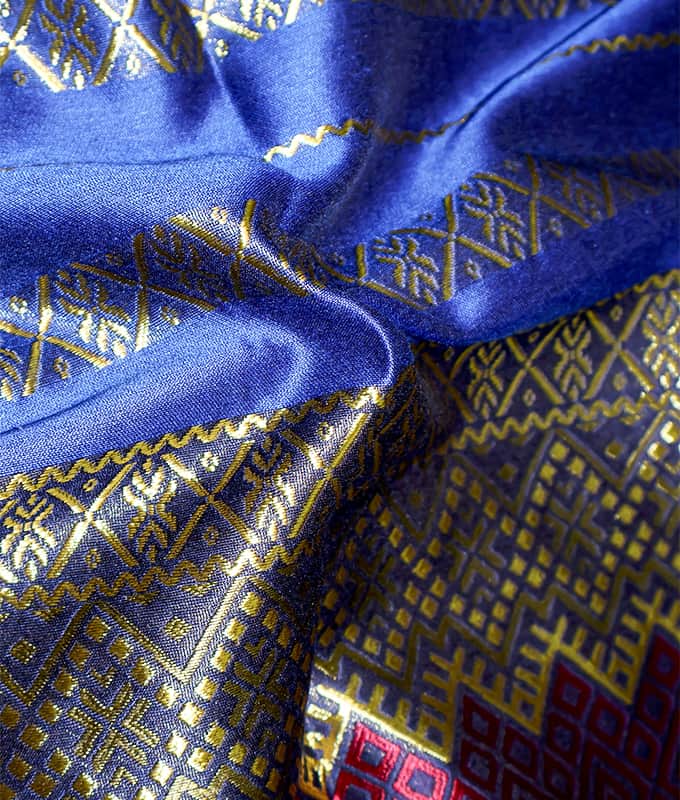
Polyesterová tkanina pro tradiční sukni Sarong z jihovýchodní Asie spojuje dědictví a modernost. Tato látka, zakořeněná v kulturních tradicích, oži...
See Details -
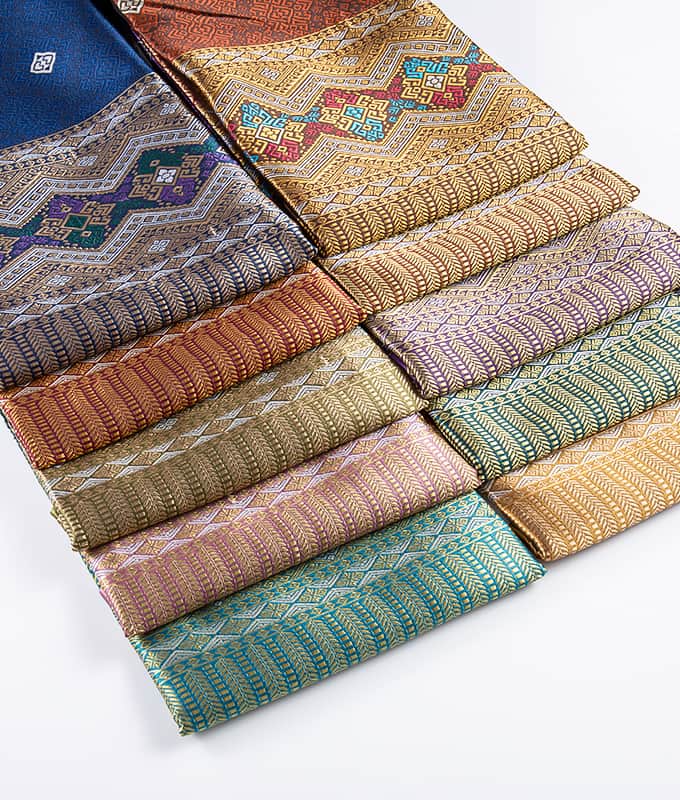
Hedvábná polyesterová žakárová tkanina pro Thai Pha Sinh Sarong — kombinující eleganci hedvábné textury s vysoce precizním žakárovým zpracováním, n...
See Details -
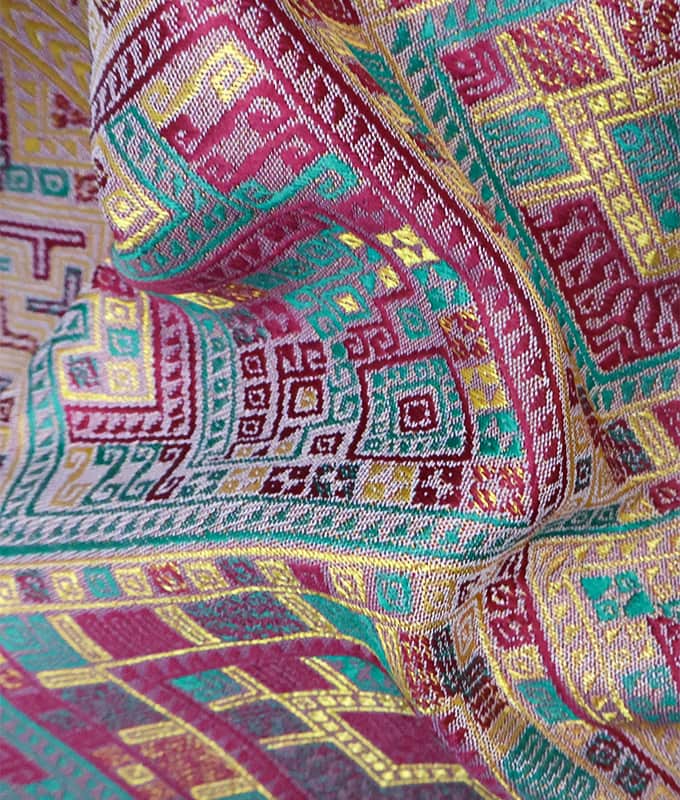
3D texturovaná polyesterová žakárová tkanina ve tvaru písmene S pro Sarong kombinuje eleganci s odolností. Vyrobeno pomocí pokročilé elektronické ž...
See Details -
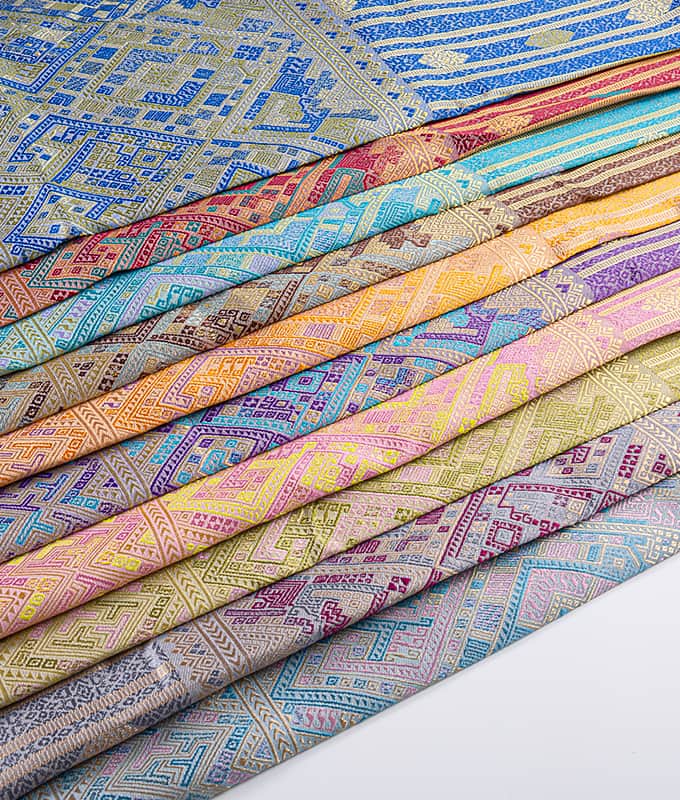
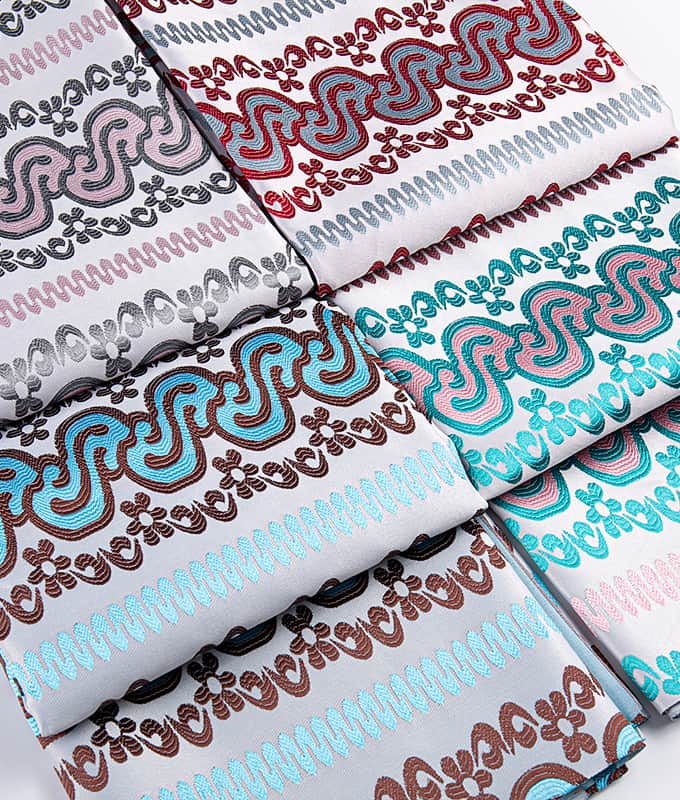
Dutá polyesterová žakárová tkanina pro laoský tradiční sarong — dokonalé spojení laoského kulturního dědictví a moderní inovace vláken. Se symbolic...
See Details -
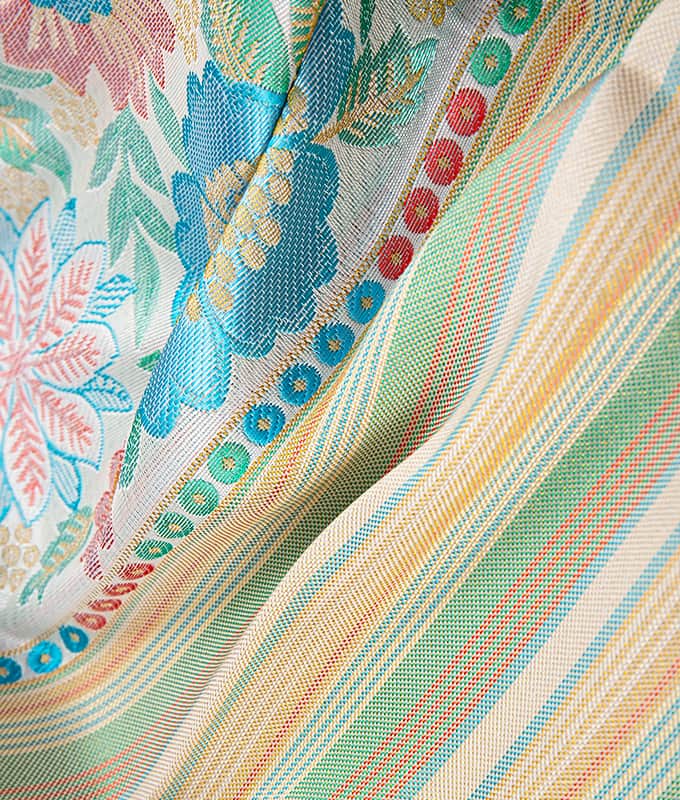
Polybavlněná tkanina se slunečnicovým potiskem pro Sarong — zářivá tkanina inspirovaná slunečnicemi, vyzařující energii a jas. Vyrobeno z měkké pol...
See Details

